
Our Emotions are a full-body experience
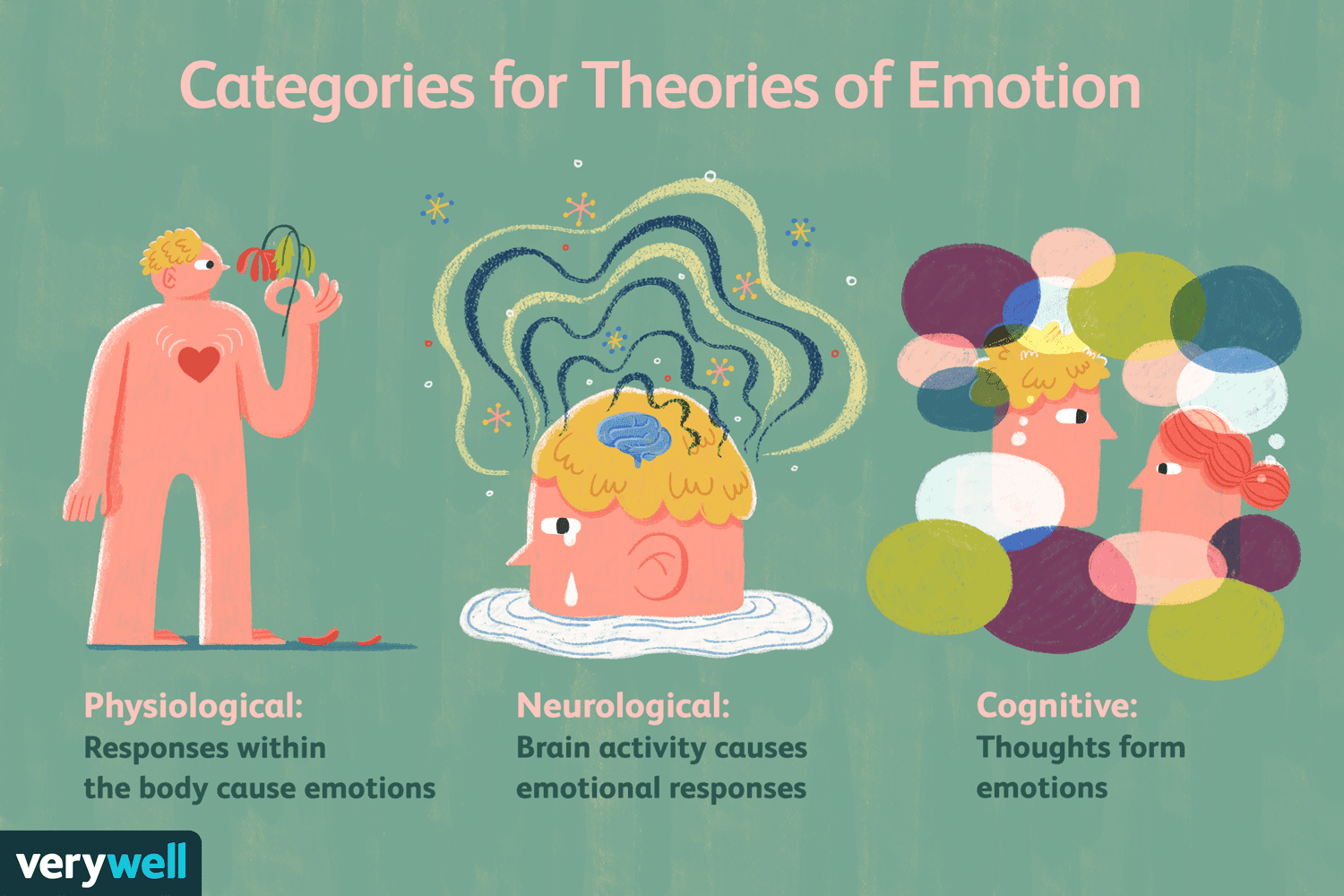
The Bottom Line – We can train our mind to work for us!
In everyday life we use feelings and emotions interchangeable, but for Mindset Training it is important to differentiate between the two:
- EMOTIONS are physiological effects we feel in our body as a result of a certain stimuli.
- FEELINGS are the interpretations of physical stimuli our brain makes taking into account context and our default subconscious thinking.

What are Feelings and Emotions?
Likely we are all aware of emotions and feelings and what a big role they play in our life. In everyday language we often use the terms interchangeably, but for mindset training it is important to differentiate them. We also might think that emotions are all happening in our mind, but emotions are very physical also. In fact, there is a constant feedback loop between our body and mind, known as the mind-body connection. Let’s learn the most important bits about that!
Imagine a lighting fast chain reaction with 2 key parts:
1. FEELINGS are physiological effects of complex reactions the body has to certain stimuli. The emotional reaction occurs automatically and unconsciously – we have NO control here.
- Ex. We see or experience something scary -> Physical FEELINGS: Our hearts begin to race, our mouths become dry, our skin turns pale and our muscles contract.

2. EMOTIONS are realized AFTER our brain becomes aware of these initial physical changes.
- Ex. Brain registers and interprets they physical changes we are experiencing è FEELING of FEAR overcomes us
The role of the brain in generating feelings is significant. Feelings are highly influenced by our physical emotions but are generated from our mental thoughts. Our mind interprets not just our physical sensations, but the context of situation, our past experiences and our general default thinking ways. As a result, the SAME physical sensations can lead to different feelings.
- Example of same physical symptom generating different Feelings due to context:
- Physical EMOTION: Butterflies in our stomach before a big presentation -> FEELING: EXCITED
- Physical EMOTION: Butterflies in our stomach coming home alone to a dark house -> FEELING: SCARED
- Example of same physical symptom generating different Feelings due to default subconscious thinking:
- Person A does NOT like public speaking, gets butterflies in stomach before a big presentation -> FEELING: NERVOUS and SCARED
- Person B loves public speaking, but also gets butterflies -> FEELING: EXCITED
Reference: [1]
Why Does it Matter to Differentiate Emotions and Feelings?
Understanding the role each play helps us be in tune with ourselves and to our present experience, observing it and being able to intentionally respond.
ANALOGY: Feelings are like the engine of the car and Emotions are like the frame. We need to ensure both parts are tuned regularly to have a working car that we can drive to our destination!
Feelings & Emotions are built-in ALERT and CONTROL systems in our bodies!
FEELINGS are like ALERT systems in our body, useful indicators that are trying to tell us something. They act as our personal alarm system that alerts us to pleasant things that are happening, but also to not so pleasant things. We each need to hear the alarm, take notice, and hear the message!
EMOTIONS also have very powerful CONTROLS over wide scope of functions in our body. Emotions can activate major systems including: cardiovascular, skeletomuscular, neuroendocrine (nerves and gland cells that release hormones) and autonomic nervous systems (controls our basic human functions), to prepare us for environmental or internal changes that arise.

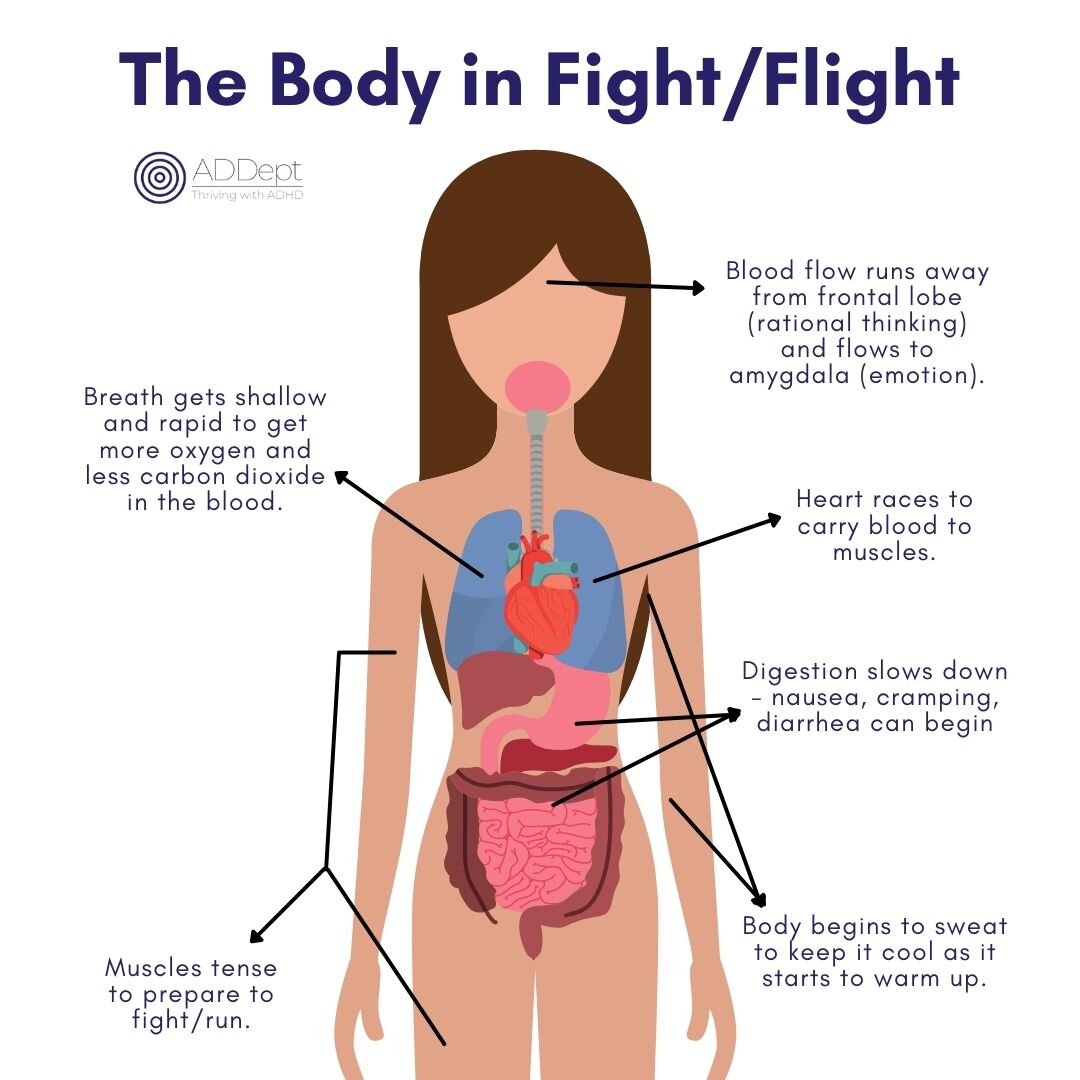
Ex. Fear activates our “fight or flight or freeze” response that tenses our body and fills it with energy putting us in ready-mode to fight with all our strength or run with all our might. Our digestion stops not to waste energy on anything else then fighting or running. Amazing!
Ex. On a different end of the spectrum, our emotions let us know we don’t like something that’s happening – sometimes on a very deep, unconscious level. Our body alerts us that something is happening outside of our value system through shallow breathing, pit in our stomach, etc. Human bodies are incredible – we just have to learn to listen!
“If you want to handle your feelings better, find the meaning beneath the signal.”
– Dr. Michael Lukens
Let’s look at an example where feeling muscle tension and a pit in my stomach can lead one to uncover their feelings of GUILT and through corrected Intentional Living design a response that works much better:
Situation: My husband is taking kids skiing every Saturday. They are having a great experience every week that I am missing out on. I have multiple ACL tears from years of competitive sports, so skiing is out of question for me. I have tried to go and hang out at the lodge, but I’m just freezing and bored most of the time and still missing out on all the fun.
| EXAMPLE | DEFAULT RESPONSE: | INTENTIONAL LIVING RESPONSE: |
| Thought: | I am missing out on this magical time with the boys. | The fact that I cannot ski is not in my control – accept! Boys are having a great time with their dad – awesome! I get to contribute by preparing an awesome lunch with a hot chocolate that they love to heat up with. |
| Physical Emotion | Muscle tension, Stomach issues, anxious | Relaxed muscles |
| Feeling: | GUILT | CALM and HAPPY |
| Action: | Sulk, wallow in sadness, feel like a ‘bad’mom | Prep the boys for a great day and then use the ski time as me-time to rejuvenate my energy! |
| Outcome: | Waste my day while boys are skiing; be in a bad/low mood when they get home. | Boys come home excited to tell me all the stories and I can meet their energy for a great family evening at home! |

Homework #1 - Name That Feeling