
What is Abundance mindset (vs Scarcity mindset)?
Abundance mindset has a founding belief that there is plenty for everybody and win-win situations are always possible.
Versus Scarcity Mindset?
- Unlike Abundance mindset, scarcity mentality refers to people seeing life as a finite pie, so that if one person takes a big piece, that leaves less for everyone else.
- Most people have been conditioned to have a scarcity mentality. It is prominent in the corporate world where raises and promotions are scarce, resources are limited, managers hoard information, micromanagement rules, and generally short-term thinking is the norm.
Why does Abundance Mindset matter?
Abundance mindset enables individuals to make goal-oriented decisions. On the contrary, those with scarcity mindset perceive limited resources to be available to them, which may impact their decision-making abilities adversely.
How to go from Scarcity to Abundance Mindset?
1. Focus on what you DO have to find and create the opportunities up ahead. Scarcity mentality uses our energy on limitations.
“Acknowledging the good that you already have in your life is the foundation for all abundance.”
– Eckhart Tolle
Situation: You are considering a career change, but have not yet taken action.
| EXAMPLE | Scarcity Mindset: | Abundance Mindset: |
| Thought: | Scarcity beliefs focus us on what we DON’T have: There are not enough good jobs out there. I don’t have good enough skills. There is way too much competition out there. | Focusing on what we DO have takes us to a different place of opportunities: I have 20 years experience in X which will be a huge asset if I start my own business. Over the last 10 years I have built a seriously impressive network that will be essential when I start networking for my next job. |
2. Surround yourself with people who have an abundance mindset. Find the people that are positive and spend time with them. Minimize time with negative people.
- Attitudes rub off – if you are looking for a career change don’t spend time with scarcity-minded people. Book time with people that inspire you.
“The quality of a person’s life is most often a direct reflection of the expectations of their peer group.”
– Tony Robbins
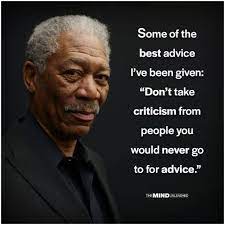
- If someone brings you criticism– consider the source. If you didn’t seek them out in your times of need, you don’t need to take what they choose to offer you uninvited.
3. Create win-win situations. Scarcity mindset believes that for a person to win, someone has to lose. That view has us competing for everything with everyone – exhausting! Instead lets looking for ways that both parties achieve a sense of accomplishment. This takes listening and learning with an open mind, working together to brainstorm solutions that satisfy both sides.
4. Incorporate gratitude into daily life – The practice of gratitude is one of the most widely recognized methods of improving our overall well-being (and of course, an I.Liv. fundamental habit). Every time you are challenged with a wanting thought, counter it with what you DO already have and feel your whole body relax instantaneously.

5. Train our mind to recognize the possibilities – According to a fascinating Harvard study, choosing a scarcity thought of “I can’t do it” or ‘I am not enough’ leads our brain to dismiss any other contradictory thoughts. Instead, when faced with tough decisions let’s ask ourselves questions that open our mind up:
If I had all the money in the world and knew I couldn’t fail, what would I do?
In Summary
- The underpinning ingredient in all of these Intentional Living Mindsets is positivity and optimism.
- A study on middle-aged adults, completed by researchers at Yale and Miami, revealed that those with more positive beliefs around aging lived 7.5 years longer than those with less positive self-perceptions of aging. So basically, your mindset can prolong your life!
- Now armed with the basic premise behind the mindset that serve us best in building our desired life, lets learn how to do so through a practical approach grounding in the I.Liv. Mindset Training Model.